
AI e il futuro della creatività: conversazione con Rufus Deuchler di Adobe
Un viaggio attraverso l'evoluzione della tecnologia creativa, dalle prime Creative Suite all'era dell'AI generativa, con uno sguardo privilegiato dall'interno di Adobe.
A Journey Through the Evolution of Creative Technology: From the First Creative Suites to the AI Era
An inside look at Adobe's transformation
There are moments in the history of technology when everything accelerates, when the future we imagined becomes the present before we've fully understood it. We're in one of those moments. And speaking with someone who has lived through the entire evolution of digital creative tools from the inside "from individual applications to the birth of Creative Suite, then Creative Cloud, up to the explosion of artificial intelligence” offers a unique perspective on where we're headed. Rufus Deuchler, who at Adobe has followed the evolution of digital creativity for decades, agrees to share his vision in a conversation that ranges from conversational interfaces to the future of creative professionals, from global competition to the irreplaceable value of "handmade."
The Interface Revolution: From Complexity to Conversation
"I've been trying to convince students and professionals for a year and a half that the relationship with machines has changed, it's become conversational," I confess to Rufus at the beginning of our conversation. People still think about buttons, menus and submenus, while the world is changing beneath their feet.
Rufus's response confirms and expands on this intuition: "We've worked our whole lives with different applications” Photoshop for one thing, Illustrator for another, InDesign for yet another. But now creativity must be able to express itself in various ways, it's no longer tied to the specific application." During the last Adobe MAX, in fact, we witnessed a significant transformation: Photoshop responding to conversational commands. "Brighten the sky," "remove the cars from here" requests in natural language that the software understands and executes. "It's a new way of selecting," Deuchler explains. "Photo compositing that I taught one way, today I teach in a completely different way." This change poses unprecedented challenges even for those who teach. "It becomes a challenge for teachers," Rufus admits.
"I remember when I taught graphics, I was always attentive to the latest technology. But I realize that so many teachers are so used to what they teach that for them it's very difficult to understand how all this moves forward."
I point out that I often like to say that if a teacher stops being a student, they start to age. Rufus laughs: "They need to retire!" But it's a joke that contains a profound truth. "We are all “the teacher, the student, the professional" in a whirlwind right now, where everyone is trying to orient themselves."
Things are changing so quickly that what was once an annual innovation cycle has now been reduced to a few weeks. "Before we tried to understand what happens tomorrow a year in advance, now it's three weeks," I observe. And Rufus nods: the acceleration is real, tangible, sometimes almost frightening.
The Competitive Landscape: Partners, Competitors, or Acquisitions?
The world of generative AI has exploded with unprecedented speed. Every day seems to bring a new player: Midjourney, Runway, Luma, and then Chinese platforms like Kling, ByteDance's Seedream, Deepseek. And then there are the giants: Google, OpenAI, and of course Canva, which is redefining the very concept of a creative tool. "Who are the competitors? Who are the partners? Who are the companies to acquire?" I ask Rufus.
The answer is pragmatic. "I've always said that Adobe and Creative Cloud are tools for professionals," Deuchler begins. "Then we started pushing Adobe Express to make things even simpler and reach a more varied market. But the market I'm most interested in is precisely creative professionals, those who earn money doing creative things." And here a fundamental point emerges, a shift in orientation that is already happening: "Just ten years ago, as a graphic designer you might find yourself doing things for the corner bakery or the fitness club.
Things that now all these people do themselves with Canva, with Adobe Express, with automatic tools and templates available online. There's already been a shift in clientele toward a world where they can do it themselves." This phenomenon will be further amplified with AI.
"So many of these players will be able to make a poster, including the text, make a layout that can then be corrected. And anyone can do it. I say: welcome! All these things at this level of quality, within everyone's reach."
But there's another side of the coin, which Rufus doesn't hesitate to point out:
"I've already started to see printers complaining because the stuff that comes from Canva isn't printable. People say: 'What? I did it right!' No, no."
This is where the line is drawn between the work of an amateur and that of a professional. And Adobe, in this vision, positions itself firmly on the side of professionals.
The Integration Strategy: Firefly and Third-Party Models
Adobe has made a clear strategic choice: develop its own generative AI model, Firefly, but at the same time integrate third-party models into its tools.
"We looked at hundreds of companies outside Adobe that do these things "with conversational interfaces, text editing, and everything else," Rufus explains. "Internally we always have our Firefly, which is our workhorse, with the commercially safe system, with our training data that is crystal clear." But the choice to integrate other models isn't just a technical matter.
"We realized that so many of our users spent a lot of time on these other platforms and then had to come back to Photoshop. So we said to ourselves: why not facilitate this and make agreements with these third parties to integrate these things directly, and then give people the choice?"
An important detail emerges here, which many users might not know: "In our agreements with these third parties there's a clause that says no one can use the data "neither the prompts nor the results" of things that are done in Photoshop with third-party models. We protect our users from the risks of the jungle out there, without having to read terms and conditions a thousand times."
It's a form of contractual guarantee that, in a world where copyright and intellectual property are increasingly in question, represents significant value for professionals.
The Business Model in the AI Era: Subscriptions and Credits
Adobe's adoption of the subscription model was pioneering and, in many ways, controversial. But in the era of generative AI, this model takes on a new dimension.
"Some of these models are very expensive in terms of credits," Deuchler admits. And here opens a question that will interest all professionals: how will the cost model of creative work change? Adobe recently launched two versions: Creative Cloud Pro, which includes credits to use third-party models, and Creative Cloud Standard, which costs less but doesn't include credits.
"The number of credits in Creative Cloud are enough for the average user," Rufus explains. "But if you suddenly find yourself doing a project with dozens and dozens of minutes of generated video, there's the possibility of buying additional credit packages."
It's not a surprise. "From the beginning I said: this won't be free forever. Now we want to launch it, we want you to try it, see the reactions. But the user who knows these systems knows very well that there are costs behind any type of generation.
" This two-speed pricing strategy “accessible basic tools and advanced pay-per-use features” could become the industry standard. For creatives, it means rethinking not only how they work, but also how they structure quotes for clients.
The Silent Revolution: AI Coding for Creatives
Perhaps one of the most interesting transformations is the one regarding the possibility, for anyone, to create their own tools. "There's a revolution," I tell Rufus, "the ability to build tools, small customized instruments."
Deuchler's response is illuminating:
"I did two offsites with my team precisely to talk about this. We all started using Claude, ChatGPT, and we began to think about how to drive certain things in Photoshop, in Premiere with a conversation." And then comes the anecdote that's worth more than a thousand theoretical explanations: "I was able, using Claude and other models, to write a plugin for Illustrator that does certain specific things. Me, as a graphic designer. This is really science fiction." Vibe coding “the ability to program through AI” opens fantastic paths. "It always happens that someone says: 'If Illustrator did this it would be fantastic!' You'd have to tell the development team. And I say: yes, fine, I'll tell them. But I also realize that maybe we're talking about a need desired by only a dozen users.
Vibe coding instead opens fantastic paths to really do what you need." Practical examples multiply: "In the InDesign world, GREP “those complex commands to find and replace text pattern“ I'm learning it. But now there's the ChatGPT window and you tell it: 'Can you make me the GREP to find this?' And it does all these complex things for you." Or After Effects: "What do I need to do to make things move in the timeline?" This too: just ask ChatGPT or Claude 'write me the code to make the ball move from left to right making three jumps,' you put it in and there's the animation. Things that previously required specialized knowledge." I cite Rick Rubin's project, which transformed many images into editable code on a website. "It's beautiful," Rufus comments, "because it shows how AI doesn't replace human creativity, it amplifies it. An AI alone would never have created something like that. A human yes, putting various things together in an original way."
The Future of the Computer and Creative Operating System
One of the questions that most troubles me “and I believe troubles many creatives” concerns the very future of the computer as we know it. What could be the solution? New interfaces, new machines, new operating systems?
Rufus's answer is articulated: "Another thing we've seen in recent years is obviously mobile. More and more things need to be done on mobile. We've seen various attempts “Google Glass, Apple Vision“ to do things where interaction with the computer isn't that of a mouse, a keyboard, a screen. But they remain attempts, at this moment. I still haven't seen anything that has really convinced me that this will be the future." But there's a clear direction: "The evolution I see is that these things will become increasingly portable. If you take a MacBook Pro today, it weighs ten times less than something from ten years ago." I cite the Portable Macintosh, the one weighing over 7 kilograms, and Rufus laughs, also remembering those times.
"I see portability as the future. The ability to relate to software in ways that aren't with a trackpad, a mouse or a screen. There will probably be a creative operating system where you won't even know if something was made in Photoshop or Illustrator it will just be done, in the best and most appropriate way for the intention.
" It's a fascinating vision: If I want to make something for print, it will be done one way. If I want to make an Instagram post, another way. If I then want to take that post and make it printable, the machine will understand: 'This needs to be transformed, bleeds need to be included, create the PDF' boom, done." We always return to the intention of creativity, to the concept. The tools become transparent, almost invisible.
The Irreplaceable Value of the Human
Toward the end of our conversation, a theme emerges that is particularly close to my heart: in a world where AI can generate practically anything, what is the value of what is made by humans? "I'm a big fan of 'handmade,'" Rufus says with conviction. "In my opinion it will have a lot of value, before long. Things that humans have made. There will be people who will know how to appreciate this.
" It's a fundamental point. We're not heading toward a future where AI replaces humans, but toward one where humans are valued differently.”
"Something in which humans demonstrate they are superior to machines," I comment. "Hashtags are great for saying things, but that doesn't mean you find them in reality.
Things made by humans have a flavor that you actually feel." It's the concept of abundance: when everything can be generated instantly, what requires time, care, artisanal mastery, becomes more precious. Not less.
Where Are We Going?
At the end of this long conversation, a complex but also exciting picture emerges. AI isn't killing creativity, it's redefining it. Tools are becoming more powerful and, paradoxically, simpler to use.
The professional of the future won't necessarily be the one who knows every menu and submenu, but the one who knows how to imagine, describe, direct. "The interface that matters most," I reflect at the end, "is the ability to describe, imagine, define what we want to achieve." Rufus nods. That's exactly the direction.
For creatives, for photographers, for all those who work with images, this is a moment of profound transformation. Those who experience it as a threat will suffer from it. Those who experience it as an opportunity to free themselves from technical chains to concentrate on vision, on concept, on creative intention, will probably discover they have more power than ever.
As Rufus tells me in farewell: "It's been a pleasure." And it really was. Because in this dialogue between past, present and future, between tools and vision, between machines and humans, a future of creativity emerges that is anything but taken for granted, but certainly fascinating. A future where, perhaps, what really matters has always been and always will be the same thing: having something to say, and knowing how to say it well. —- Rufus Deuchler is Director, Worldwide Creative Cloud Evangelism at Adobe. He has worked at Adobe for decades, following the evolution of digital creative tools from their origins to the age of artificial intelligence. This interview was conducted in autumn 2025, a few weeks after Adobe MAX, the annual event where the company presents its most significant innovations.
Ci sono momenti nella storia della tecnologia in cui tutto accelera, in cui il futuro che immaginavamo diventa presente prima ancora di averlo compreso del tutto. Siamo in uno di questi momenti. E parlare con chi ha vissuto dall’interno l’intera evoluzione degli strumenti creativi digitali – dagli applicativi singoli alla nascita della Creative Suite, poi della Creative Cloud, fino all’esplosione dell’intelligenza artificiale – offre una prospettiva unica su dove siamo diretti.
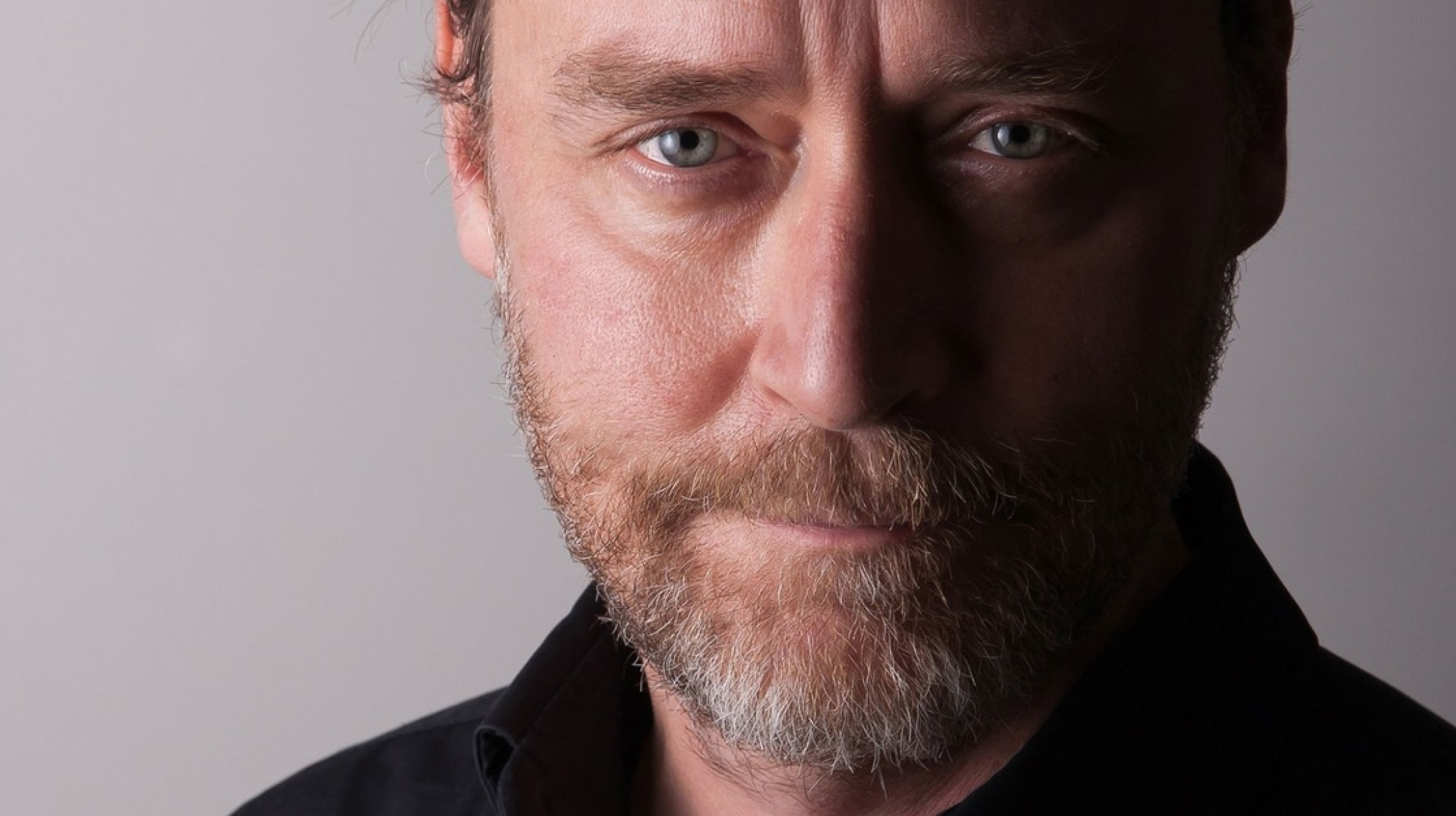
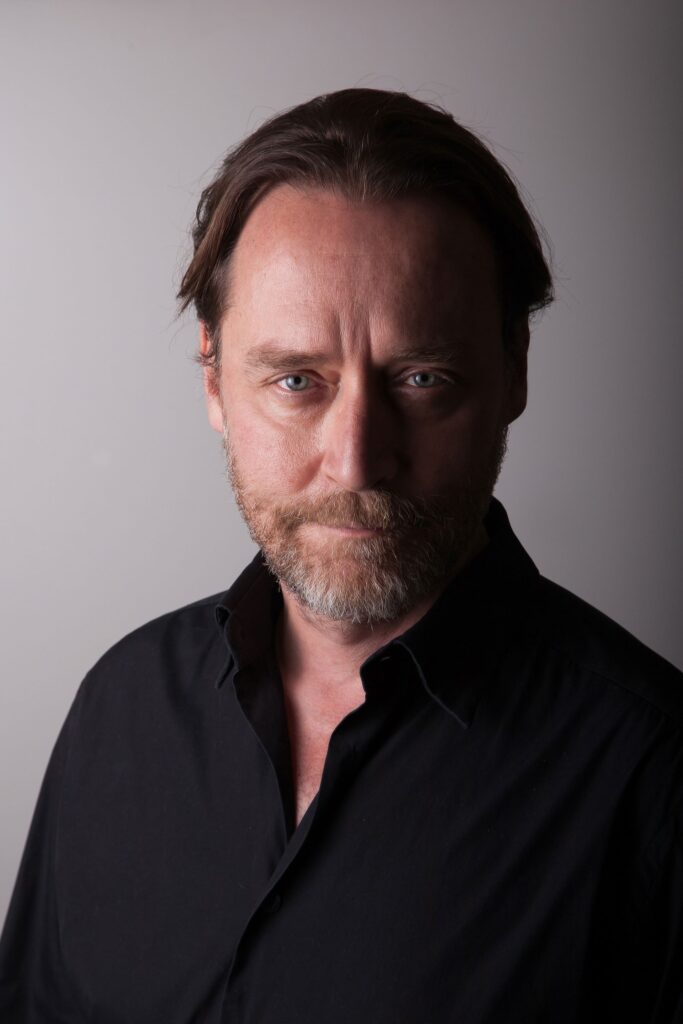
Rufus Deuchler, che in Adobe ha seguito l’evoluzione della creatività digitale per decenni, accetta di condividere la sua visione in una conversazione che spazia dalle interfacce conversazionali al futuro dei professionisti creativi, dalla concorrenza globale al valore insostituibile del “fatto a mano”.
La rivoluzione dell’interfaccia: dalla complessità alla conversazione
“È un anno e mezzo che cerco di convincere studenti e professionisti che la relazione con le macchine è cambiata, è diventata conversazionale,” confesso a Rufus all’inizio della nostra conversazione. Si pensa ancora a pulsanti, menu e sottomenu, mentre il mondo sta cambiando sotto i loro piedi.
La risposta di Rufus conferma e amplia questa intuizione: “Abbiamo lavorato tutta la vita con diversi applicativi – Photoshop per una cosa, Illustrator per un’altra, InDesign per un’altra ancora. Ma adesso la creatività si deve poter esprimere in vari modi, non è più legata all’applicativo specifico.”
Durante l’ultimo Adobe MAX, infatti, abbiamo assistito a una trasformazione significativa: Photoshop che risponde a comandi conversazionali. “Schiarisci il cielo”, “toglimi le macchine da qui” – richieste in linguaggio naturale che il software comprende ed esegue. “È un nuovo modo di selezionare,” spiega Deuchler. “La fotocomposizione che insegnavo in un modo, oggi la insegno in modo completamente diverso.”
Questo cambiamento pone sfide inedite anche per chi insegna. “Diventa un challenge per gli insegnanti,” ammette Rufus. “Mi ricordo quando insegnavo grafica, ero sempre attento all’ultima tecnologia. Ma mi rendo conto che tantissimi insegnanti sono così abituati a quello che insegnano che per loro è molto difficile capire come va avanti tutto questo.”
Gli segnalo che mi piace dire spesso che se un insegnante smette di essere studente, comincia a invecchiare. Rufus ride: “Bisogna andare in pensione!” Ma è una battuta che contiene una verità profonda. “Siamo tutti – l’insegnante, lo studente, il professionista – in un turbinio in questo momento, dove ognuno cerca di orientarsi.”
Le cose cambiano così velocemente che quello che un tempo era un ciclo di innovazione annuale, ora si è ridotto a poche settimane. “Prima cercavamo di capire cosa succede domani con un anno di anticipo, adesso sono tre settimane,” osservo. E Rufus annuisce: la velocizzazione è reale, tangibile, a volte quasi spaventosa.
Il panorama competitivo: partner, concorrenti o acquisizioni?
Il mondo dell’AI generativa è esploso con una velocità senza precedenti. Ogni giorno sembra nascere un nuovo player: Midjourney, Runway, Luma, e poi le piattaforme cinesi come Kling, Seedream di ByteDance, Deepseek. E poi ci sono i giganti: Google, OpenAI, e naturalmente Canva, che sta ridefinendo il concetto stesso di strumento creativo.
“Chi sono i concorrenti? Chi i partner? Chi le aziende da acquisire?” chiedo a Rufus. La risposta è pragmatica.
“Ho sempre detto che Adobe e Creative Cloud sono strumenti per i professionisti,” inizia Deuchler. “Poi abbiamo cominciato a spingere Adobe Express per rendere le cose ancora più semplici e raggiungere un mercato più vario. Ma il mercato che mi interessa di più sono proprio i creativi professionisti, quelli che guadagnano soldi facendo cose creative.”
E qui emerge un punto fondamentale, un cambio di orientamento che sta già avvenendo: “Solo dieci anni fa, come grafico magari ti trovavi a fare cose per la panetteria dell’angolo o il club di fitness. Cose che adesso tutte queste persone fanno da sole con Canva, con Adobe Express, con tool automatici e template disponibili online. C’è già stato uno shift di clientela verso un mondo dove possono fare da soli.”
Questo fenomeno si amplierà ulteriormente con l’AI. “Tantissimi di questi player saranno in grado di fare un poster, incluso il testo, fare un layout che poi si può correggere. E chiunque può farlo. Io dico: ben venga! Tutte queste cose a questo livello di qualità, alla portata di chiunque.”
Ma c’è un’altra faccia della medaglia, che Rufus non esita a sottolineare: “Ho già cominciato a vedere stampatori che si lamentano perché la roba che arriva da Canva non è stampabile. La gente dice: ‘Ma come? L’ho fatto bene!’ No, no.”
È qui che si traccia la linea tra il lavoro del dilettante e quello del professionista. E Adobe, in questa visione, si posiziona fermamente dalla parte dei professionisti.

La strategia di integrazione: Firefly e i modelli di terze parti
Adobe ha fatto una scelta strategica chiara: sviluppare il proprio modello di AI generativa, Firefly, ma allo stesso tempo integrare modelli di terze parti nei propri strumenti.
“Abbiamo guardato centinaia di aziende fuori da Adobe che fanno queste cose – con interfacce conversazionali, editing testuale, e tutto il resto,” spiega Rufus. “All’interno abbiamo sempre il nostro Firefly, che è il nostro cavallo di battaglia, con il sistema commercially safe, con i nostri dati di training che sono limpidissimi.”
Ma la scelta di integrare altri modelli non è solo una questione tecnica. “Ci siamo resi conto che tantissimi nostri utenti passavano un sacco di tempo su queste altre piattaforme e poi dovevano tornare in Photoshop. Allora ci siamo detti: perché non facilitare questa cosa e fare accordi con queste terze parti per integrare queste cose direttamente, e poi dare la scelta alle persone?”
Qui emerge un dettaglio importante, che molti utenti potrebbero non conoscere: “Nei nostri accordi con queste terze parti c’è una clausola che dice che nessuno può utilizzare i dati – né i prompt né i risultati – delle cose che vengono fatte in Photoshop con modelli di terze parti. Proteggiamo i nostri utenti dai rischi della giungla che c’è là fuori, senza dover leggere mille volte termini e condizioni.”
È una forma di garanzia contrattuale che, in un mondo dove i diritti d’autore e la proprietà intellettuale sono sempre più in discussione, rappresenta un valore significativo per i professionisti.
Il modello di business nell’era dell’AI: abbonamenti e crediti
L’adozione del modello ad abbonamento da parte di Adobe è stata pionieristica e, per molti versi, controversa. Ma nell’era dell’AI generativa, questo modello assume una nuova dimensione.
“Alcuni di questi modelli sono costosissimi in termini di crediti,” ammette Deuchler. E qui si apre una questione che interesserà tutti i professionisti: come cambierà il modello di costo del lavoro creativo?
Adobe ha recentemente lanciato due versioni: Creative Cloud Pro, che include crediti per utilizzare i modelli di terze parti, e Creative Cloud Standard, che costa meno ma non include crediti. “Il numero di crediti in Creative Cloud sono abbastanza per l’utente medio,” spiega Rufus. “Ma se all’improvviso ti ritrovi a fare un progetto con decine e decine di minuti di video generato, c’è la possibilità di comprare pacchetti di crediti supplementari.”
Non è una sorpresa. “Dall’inizio ho detto: questo non sarà gratis per sempre. Adesso lo vogliamo lanciare, vogliamo farvelo provare, vedere le reazioni. Ma l’utente che conosce questi sistemi sa benissimo che ci sono dei costi dietro qualsiasi tipo di generazione.”
Questa strategia di pricing a due velocità – strumenti base più accessibili e funzioni avanzate a consumo – potrebbe diventare lo standard nell’industria. Per i creativi, significa ripensare non solo come lavorano, ma anche come strutturano i preventivi per i clienti.

La rivoluzione silenziosa: AI coding per i creativi
Forse una delle trasformazioni più interessanti è quella che riguarda la possibilità, per chiunque, di creare i propri strumenti. “C’è una rivoluzione,” dico a Rufus, “quella del potersi costruire dei tool, dei piccoli strumenti personalizzati.”
La risposta di Deuchler è illuminante: “Ho fatto due offsite con il mio team proprio per parlare di questo. Ci siamo tutti messi a usare Claude, ChatGPT, e abbiamo cominciato a ragionare su come pilotare con una conversazione determinate cose in Photoshop, in Premiere.”
E poi arriva l’aneddoto che vale più di mille spiegazioni teoriche: “Sono stato in grado, usando Claude e altri modelli, di scrivere un plugin per Illustrator che fa determinate cose specifiche. Io, da grafico. Questo è proprio da fantascienza.”
Il vibe coding – la possibilità di programmare attraverso l’AI – apre strade fantastiche. “Succede sempre che qualcuno dica: ‘Se Illustrator facesse questo sarebbe fantastico!’ Bisognerebbe dirlo al team di sviluppo. E io dico: sì, va bene, lo dico. Ma mi rendo anche conto che magari si parla di una esigenza desiderata solo da una decina di utenti. Il vibe coding invece apre delle strade fantastiche per fare veramente quello di cui hai bisogno.”
Gli esempi pratici si moltiplicano: “Nel mondo di InDesign, il GREP – quei comandi complessi per trovare e sostituire pattern di testo – io me lo sto imparando. Ma adesso c’è la finestrella di ChatGPT e gli dici: ‘Mi fai il GREP per trovare questo?’ E ti fa tutte queste cose complesse.”
Oppure After Effects: “Cosa devo fare per far muovere le cose nella timeline?”. Anche questo: basta chiedere a ChatGPT o a Claude ‘scrivimi il codice per far muovere la palla da sinistra a destra facendo tre salti’, lo metti dentro ed ecco qua l’animazione. Cose che prima richiedevano una conoscenza specializzata.”
Cito il progetto di Rick Rubin, che ha trasformato tante immagini in codice modificabile su un sito web. “È bellissimo,” commenta Rufus, “perché mostra come l’AI non sostituisce la creatività umana, la amplifica. Un’AI da sola non avrebbe mai creato una cosa del genere. Un umano sì, mettendo insieme varie cose in modo originale.”
Il futuro del computer e del sistema operativo creativo
Una delle domande che più mi inquietano – e che credo inquieti molti creativi – riguarda il futuro stesso del computer come lo conosciamo. Quale potrebbe essere la soluzione? Nuove interfacce, nuove macchine, nuovi sistemi operativi?”.
La risposta di Rufus è articolata: “Un’altra cosa che abbiamo visto negli ultimi anni è ovviamente il mobile. Sempre più cose vanno fatte sul mobile. Abbiamo visto vari tentativi – Google Glass, Apple Vision – di fare cose dove l’interazione con il computer non è quella di un mouse, una tastiera, uno schermo. Ma rimangono pur sempre tentativi, in questo momento. Ancora non ho visto niente che mi abbia veramente convinto che così sarà il futuro.”
Ma c’è una direzione chiara: “L’evoluzione che vedo è che queste cose diventeranno sempre più portatili. Se prendi un MacBook Pro di oggi, pesa dieci volte meno di una cosa di dieci anni fa.” Cito il Portable Macintosh, quello da oltre 7 chilogrammi e Rufus ride, ricordando anche lui quei tempi.
“Vedo la portabilità come il futuro. La possibilità di poter relazionarsi con il software in modi che non siano con un trackpad, un mouse o uno schermo. Probabilmente ci sarà un sistema operativo creativo dove non saprai nemmeno se una cosa è stata fatta in Photoshop o Illustrator – verrà fatta e basta, nel modo migliore e più giusto per l’intenzione.”
È una visione affascinante: “Se voglio fare una cosa per la stampa, andrà fatta in un modo. Se voglio fare un post su Instagram, in un altro. Se poi voglio prendere quel post e farne una cosa stampabile, la macchina capirà: ‘Questo bisogna trasformarlo, bisogna includere i fondi, creare il PDF’ – boom, fatto.”
Si ritorna sempre all’intenzione della creatività, al concept. Gli strumenti diventano trasparenti, quasi invisibili.

Il valore insostituibile dell’umano
Verso la fine della nostra conversazione, emerge un tema che mi sta particolarmente a cuore: in un mondo dove l’AI può generare praticamente qualsiasi cosa, qual è il valore di ciò che è fatto dagli umani?
“Sono un grande fan del ‘fatto a mano’,” dice Rufus con convinzione. “Secondo me avrà un sacco di valore, tra non molto tempo. Le cose che hanno fatto gli umani. Ci sarà gente che saprà apprezzare questo.”
È un punto fondamentale. Non stiamo andando verso un futuro dove l’AI sostituisce l’umano, ma verso uno dove l’umano viene valorizzato diversamente. “Qualcosa in cui gli umani dimostrano di essere superiori alle macchine,” commento. “Gli hashtag sono ottimi per dire delle cose, ma non è detto che le trovi nella realtà. Le cose fatte dagli umani hanno un sapore che effettivamente senti.”
È il concetto dell’abbondanza: quando tutto può essere generato all’istante, ciò che richiede tempo, cura, maestria artigianale, diventa più prezioso. Non meno.
Dove andiamo?
Alla fine di questa lunga conversazione, emerge un quadro complesso ma anche entusiasmante. L’AI non sta uccidendo la creatività, la sta ridefinendo. Gli strumenti stanno diventando più potenti e, paradossalmente, più semplici da usare. Il professionista del futuro non sarà necessariamente quello che conosce ogni menu e sottomenu, ma quello che sa immaginare, descrivere, dirigere.
“L’interfaccia che conta di più,” rifletto alla fine, “è la capacità di descrivere, immaginare, definire quello che vogliamo ottenere.” Rufus annuisce. È esattamente questa la direzione.
Per i creativi, per i fotografi, per tutti coloro che lavorano con le immagini, questo è un momento di trasformazione profonda. Chi lo vivrà come una minaccia ne soffrirà. Chi lo vivrà come un’opportunità di liberarsi dalle catene tecniche per concentrarsi sulla visione, sul concept, sull’intenzione creativa, probabilmente scoprirà di avere più potere che mai.
Come mi dice Rufus salutandomi: “È stato un piacere.” E lo è stato davvero. Perché in questo dialogo tra passato, presente e futuro, tra strumenti e visione, tra macchine e umani, si delinea un futuro della creatività che è tutt’altro che scontato, ma certamente affascinante.
Un futuro dove, forse, ciò che conta davvero è sempre stata e sempre sarà la stessa cosa: avere qualcosa da dire, e saperlo dire bene.
Rufus Deuchler è Director, Worldwide Creative Cloud Evangelism di Adobe. Da decenni lavora in Adobe, seguendo l’evoluzione degli strumenti creativi digitali dalle origini fino all’era dell’intelligenza artificiale. Questa intervista è stata realizzata nell’autunno 2025, poche settimane dopo l’Adobe MAX, l’evento annuale dove l’azienda presenta le sue innovazioni più significative.
Related Posts

InfiniteZoom: gratis per gli abbonati di Aiway+LAB
Un incredibile tool per zoom infiniti e perfettamente fluidi
Le mille storie invisibili delle Olimpiadi
Abbiamo voluto rendere omaggio alle mille storie di mille giorni di oltre 10 mila atleti che hanno partecipato alle Olimpiadi, ma che sono rimasti invisibili perché non illuminati dai riflettori. Perché il futuro ha bisogno anche dei non vincitori.
Allucinazioni, la verità può essere raccontata da un bugiardo?
Per la sua stessa natura, l’AI generativa soffre di allucinazioni, e quindi ci propone verità prive di fondamento. Come convivere con queste forme di psichedelia tecnologica?
Interfacce, nostalgia senza meriti
Le interfacce del passato erano dei tasti, le interfacce del futuro degli ambienti. E allora, ci serve davvero averne nostalgia?
Alla ricerca della qualità
Midjourney ci ricorda nuovamente che la qualità non è fatta solo di quantità di pixel, ma di qualità dell'immagine. La nuova versione V6.1 è un'evoluzione che potremmo definire come un passaggio da "piccolo" a "medio formato", se usiamo un linguaggio fotografico.
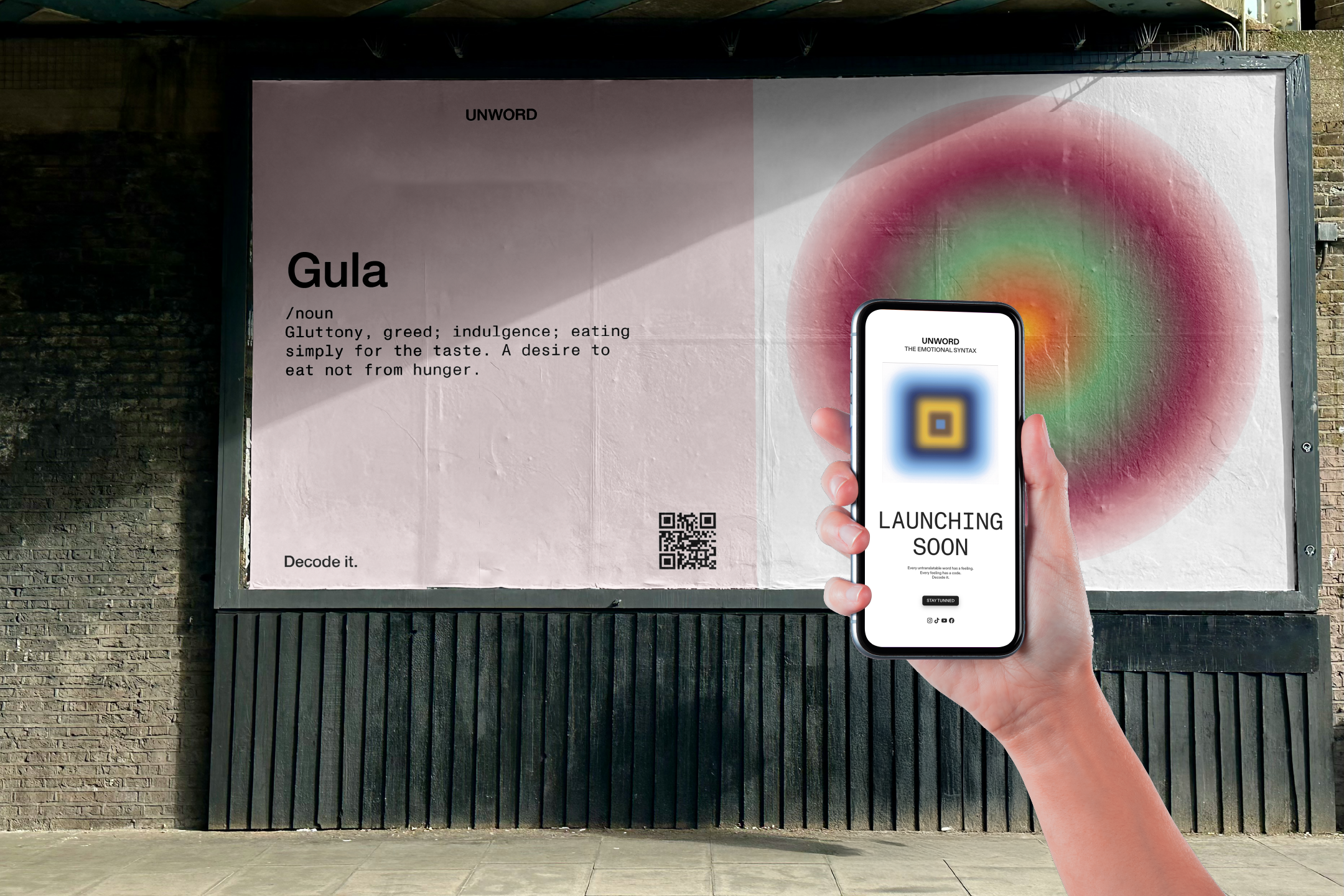
Tradurre visivamente l’intraducibile
Si può tradurre una parola così perfetta in una lingua da non riuscire a trovare il modo per trasferirne il significato? Sì, se si codificano le emozioni...